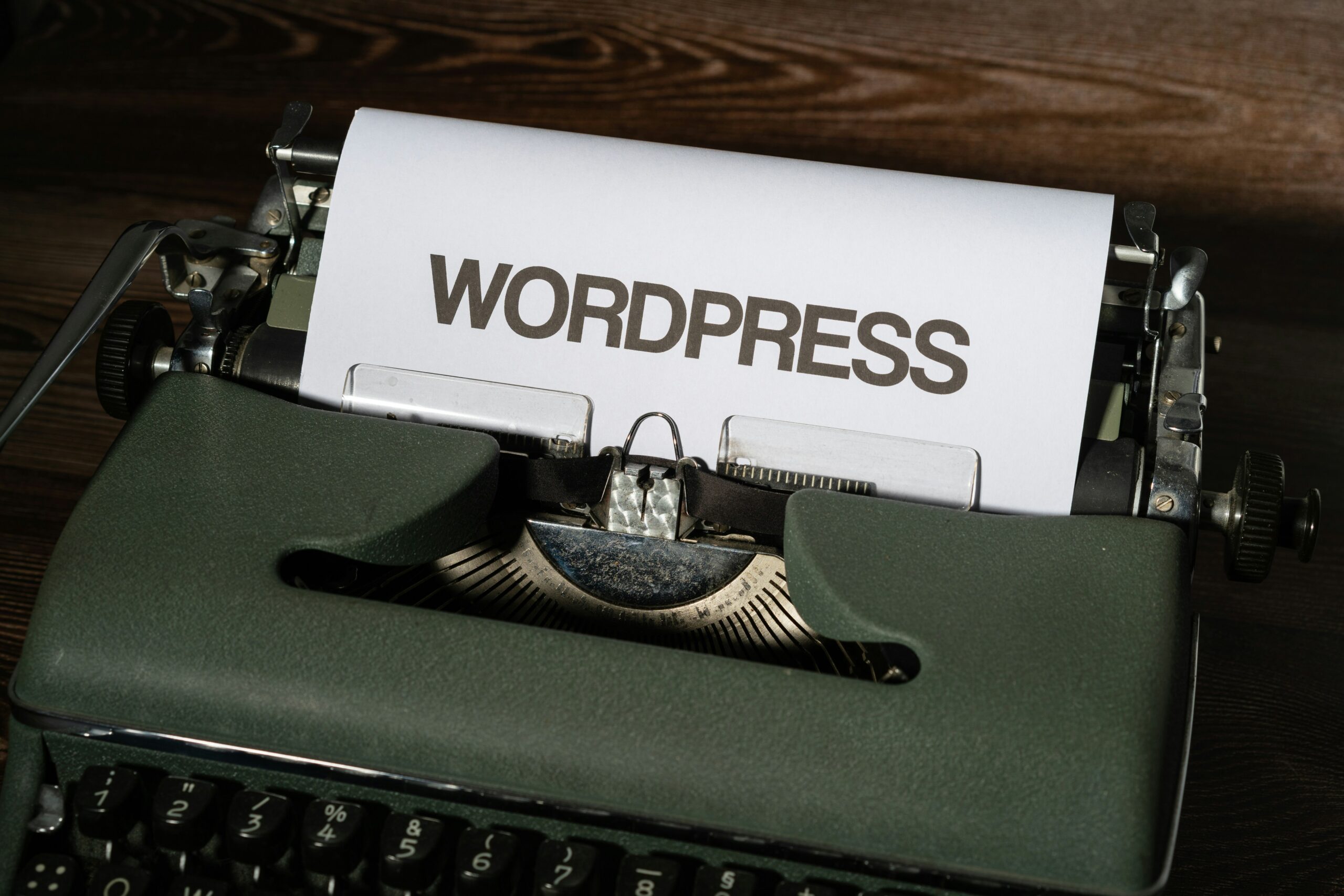
Why WordPress Powers Over 40% of the Web (And Why Businesses Choose It)
WordPress powers more than 40% of websites worldwide and remains a popular choice for...
In today’s digital-first economy, a business website is expected to do far more than provide information. It serves as a marketing tool, sales platform, customer engagement channel, and often the first interaction potential customers have with a brand. Whether a visitor is researching a service, comparing providers, requesting a quote, or preparing to make a purchase, the quality of a company’s website can significantly influence their perception of the business and their willingness to take action.
Many organizations invest heavily in advertising, social media campaigns, search engine optimization, and content marketing to attract visitors. However, generating traffic is only one part of the equation. If a website fails to provide a seamless, trustworthy, and engaging experience, those visitors may leave without converting into leads or customers. In many cases, businesses lose valuable opportunities not because people are unwilling to buy, but because the website creates barriers that prevent them from taking the next step.
Customer expectations have evolved dramatically over the past few years. Users now expect websites to load quickly, function flawlessly across devices, provide intuitive navigation, and communicate value clearly. A website that looked modern and effective several years ago may now struggle to meet current expectations. As a result, businesses relying on outdated websites often experience declining engagement, reduced lead generation, lower search visibility, and missed growth opportunities without immediately realizing the cause.
Understanding why websites fail to convert visitors is essential for businesses that want to remain competitive in 2026. Identifying these challenges early allows organizations to improve customer experiences, strengthen trust, increase conversion rates, and create a stronger foundation for sustainable growth. Rather than viewing a website as a static digital brochure, successful businesses treat it as an active business asset that supports marketing, sales, customer communication, and long-term operational objectives.
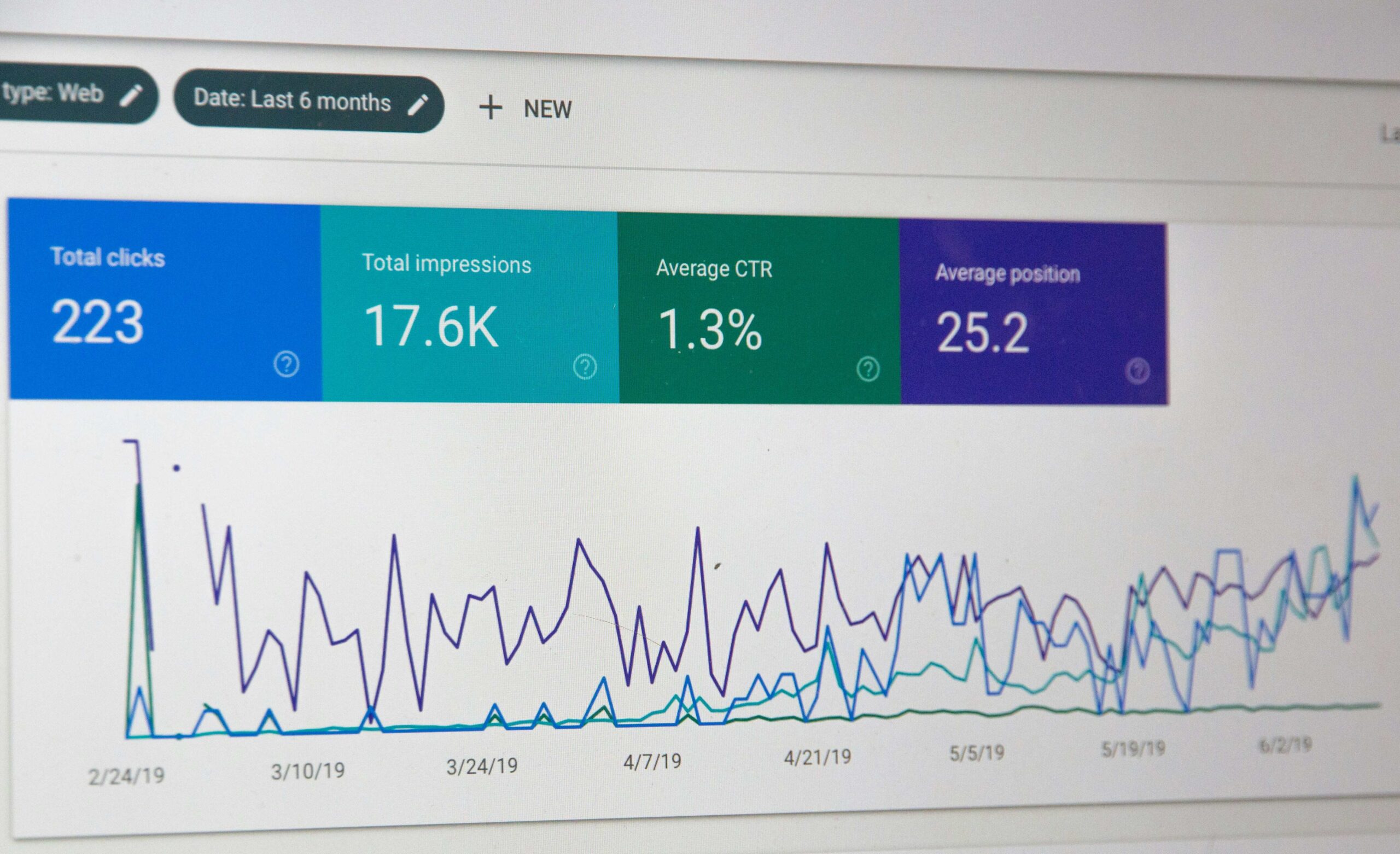
Website conversion has become one of the most important indicators of digital success. While traffic statistics often receive the most attention, they do not always reflect business performance accurately. A website may attract thousands of visitors every month, but if those visitors fail to enquire, book consultations, request quotes, subscribe, or make purchases, the website is not delivering meaningful value to the organization.
In 2026, businesses face a more competitive digital environment than ever before. Customers have access to countless alternatives and can compare products, services, and providers within minutes. If a website appears outdated, loads slowly, provides a poor mobile experience, or lacks clear guidance, visitors often move on to competitors without hesitation. Every lost visitor represents a potential customer who may never return.
Modern websites must balance functionality, usability, credibility, and performance. They need to communicate trust quickly while guiding visitors through a smooth customer journey. Effective websites answer questions, remove uncertainty, highlight value, and encourage action at every stage of the buying process. When these elements are missing, conversion rates begin to suffer regardless of how much traffic the website receives.
Search engines are also placing greater emphasis on user experience signals. Page speed, mobile responsiveness, accessibility, navigation structure, and engagement metrics all contribute to website performance. Businesses that improve these areas often benefit from stronger search visibility while simultaneously increasing conversion rates. This creates a powerful combination of improved traffic quality and improved business outcomes.
Organizations investing in SEO Optimization & Ranking Services often discover that traffic generation alone is not enough. Sustainable growth requires a website that converts visitors efficiently, supports business objectives, and delivers a consistently positive user experience.
One of the most common misconceptions among business owners is the belief that low conversion rates are caused solely by a lack of traffic. While traffic volume certainly matters, many websites struggle to convert because of deeper issues related to design, usability, functionality, content structure, and customer experience. A website can attract a large audience yet still fail to generate meaningful business results if visitors encounter obstacles that prevent them from moving forward.
Visitors make decisions quickly. Within seconds of arriving on a website, they begin evaluating professionalism, credibility, ease of use, and relevance. They look for signs that a business understands their needs and can provide a reliable solution. If important information is difficult to find, pages load slowly, navigation feels confusing, or the design appears outdated, visitors may lose confidence before they have fully explored the website.
Trust plays a critical role throughout the conversion process. Customers are more likely to engage with websites that appear modern, professional, secure, and easy to use. Conversely, websites that lack clear messaging, testimonials, case studies, contact information, or other trust-building elements often struggle to convince visitors to take action. Even businesses with exceptional products and services can lose opportunities if their websites fail to communicate credibility effectively.
Regular website evaluation is therefore essential. Businesses that continuously monitor performance, user behavior, and customer feedback are often better positioned to identify conversion barriers before they impact revenue significantly. Through strategic improvements, ongoing optimization, and proactive maintenance, organizations can create stronger digital experiences that support both customer satisfaction and business growth.
This is one reason why many organizations combine Website Maintenance & Support Services with broader website optimization strategies. Continuous improvement helps ensure that websites remain aligned with changing customer expectations, evolving technology standards, and long-term business objectives.
These versions are much closer to the premium, detailed style we’ve been using and will fill the text editors properly before the icon list.
1. Slow Website Performance
A slow website can quickly discourage visitors from staying long enough to understand your services. Modern users expect pages to load fast and respond smoothly across devices. When a website takes too long to open, visitors often leave before reading the content, viewing offers, or contacting the business. Slow performance can also affect search visibility, making it harder for potential customers to discover the website in the first place.
2. Poor Mobile User Experience
Many customers now browse, compare, and contact businesses using mobile devices. If a website does not display properly on smartphones or tablets, it can create frustration and reduce trust. Small text, crowded layouts, difficult buttons, and broken mobile sections can make visitors abandon the site. A mobile-friendly website is no longer optional; it is essential for customer engagement and conversion.
3. Weak Calls-to-Action
Visitors need clear guidance on what to do next. If a website does not clearly encourage users to request a quote, book a consultation, contact the business, or explore services, many visitors will leave without taking action. Strong calls-to-action should be visible, direct, and aligned with the visitor’s intent. Without them, even interested users may fail to convert.
4. Outdated Website Design
An outdated website can make a business appear less credible, even when the company offers excellent services. Visitors often judge professionalism based on visual presentation, layout, branding, and overall user experience. If the design feels old, inconsistent, or difficult to use, potential customers may assume the business is behind current standards. A modern design helps strengthen trust and improve engagement.
5. Confusing Navigation Structure
A website should make it easy for visitors to find important information. If users struggle to locate services, pricing, contact details, or key content, they are more likely to leave. Confusing navigation creates unnecessary friction and reduces the chance of conversion. A clear menu structure, well-organized pages, and logical content flow help guide visitors toward the right actions.
6. Low-Quality Website Content
Content plays a major role in conversion. If a website only describes what the business does without explaining how it solves customer problems, visitors may not feel convinced. Strong content should address customer needs, answer common questions, communicate benefits, and build confidence. Businesses that invest in better content often create stronger connections with visitors and improve conversion results.
7. Missing Trust-Building Elements
Visitors are more likely to take action when they feel confident in a business. Testimonials, reviews, case studies, certifications, team information, clear contact details, and professional branding all help build trust. When these elements are missing, visitors may hesitate to submit forms, request quotes, or begin conversations. Trust signals reassure potential customers that the business is reliable and capable.
8. Poor Lead Generation Strategy
Some websites receive traffic but fail to capture leads effectively. This often happens when forms are too long, contact options are hidden, offers are unclear, or conversion paths are poorly designed. A strong lead generation strategy makes it easy for visitors to take the next step. Businesses can improve results by simplifying forms, strengthening service pages, and creating clearer engagement points.
9. Limited Business Functionality
Modern websites must support more than basic information. Businesses often need features such as booking tools, enquiry forms, analytics, CRM integrations, automation, live chat, service pages, and content management systems. When a website lacks these capabilities, it may struggle to support growth. Through Website Design & Customization Services, Rage Technology helps businesses build websites that are modern, scalable, and conversion-focused.
“The goal is to turn data into information, and information into insight.”
Fmr CEO of Hewlett-Packard
Understanding why websites fail to convert is only the first step. Businesses must also recognize that conversion problems rarely occur in isolation. In most cases, several issues work together to create a poor customer experience. A website may suffer from slow performance, outdated design, weak calls-to-action, and poor content simultaneously. While each issue may appear small on its own, the combined impact can significantly reduce customer engagement and lead generation opportunities.
One of the biggest challenges businesses face is assuming that website traffic alone guarantees success. Many organizations invest heavily in advertising campaigns and search visibility initiatives only to discover that visitors are not taking action once they arrive. This often leads to wasted marketing budgets and missed growth opportunities. Before increasing traffic, businesses should ensure that their websites are capable of converting existing visitors effectively.
Modern customers expect websites to be fast, responsive, informative, and easy to use. They want immediate access to information, clear navigation, and confidence that the business can solve their problems. When websites fail to meet these expectations, visitors often leave without engaging further. Businesses that continuously improve their websites are typically better positioned to attract, engage, and convert customers in increasingly competitive markets.
This is one reason why organizations investing in SEO Optimization & Ranking Services frequently combine those efforts with website improvements. Increasing visibility is valuable, but maximizing conversion opportunities ensures that traffic produces measurable business results.
At Rage Technology, we help businesses identify and eliminate the barriers that prevent websites from converting effectively. Through our Website Design & Customization Services, we evaluate website performance, user experience, content structure, navigation, and conversion pathways to uncover opportunities for improvement. Our goal is not simply to create visually appealing websites but to develop digital experiences that actively support business growth.
Many organizations continue operating websites that were designed for a different stage of growth. As customer expectations evolve and technology advances, websites must also evolve. A modern website should support marketing efforts, generate leads, improve customer engagement, and integrate seamlessly with broader business operations. Businesses that fail to modernize often struggle to keep pace with competitors that deliver more effective digital experiences.
Through strategic redesigns, functionality enhancements, and performance optimization, Rage Technology helps organizations create websites that are scalable, responsive, and aligned with current business objectives. Whether the challenge involves outdated design, poor conversion rates, weak user experience, or limited functionality, the right improvements can significantly increase the value a website delivers.
Businesses interested in strengthening their digital presence can also explore our Website Maintenance & Support Services and Managed IT Services & AI Integration Solutions to ensure their technology infrastructure continues supporting long-term growth.
While fixing individual conversion issues can improve results, the most successful businesses take a broader approach to website performance. They view their websites as strategic business assets rather than static online brochures. Every page, form, service description, and customer interaction should contribute toward building trust, improving engagement, and supporting measurable business objectives. When websites are intentionally designed around customer needs and business goals, they become powerful tools for growth rather than passive sources of information.
A modern website should be capable of adapting as the business evolves. New services, changing customer expectations, marketing campaigns, and technology advancements all require flexibility. Businesses that invest in ongoing improvements are often better positioned to respond to market changes and maintain a competitive advantage. This is particularly important in 2026, where customer expectations continue rising and digital experiences increasingly influence purchasing decisions.
At Rage Technology, we help organizations create websites that are built for long-term performance and continuous improvement. Through our Website Design & Customization Services, businesses can modernize outdated websites, strengthen customer journeys, improve conversion opportunities, and create digital experiences that align with growth objectives. Combined with our SEO Optimization & Ranking Services, businesses can attract qualified visitors while ensuring those visitors have a greater likelihood of becoming customers.Organizations looking to improve website performance should also consider how broader technology strategies contribute to business success.
The ability to convert website visitors into customers is no longer a competitive advantage—it is a business necessity. As customer expectations continue evolving, businesses must ensure their websites provide the speed, usability, credibility, and functionality required to support meaningful engagement. A website that attracts visitors but fails to convert them represents missed opportunities that can impact revenue, growth, and long-term success.
The good news is that most conversion challenges can be addressed through strategic improvements. Whether the issue involves poor navigation, outdated design, weak calls-to-action, or limited functionality, businesses that invest in continuous optimization are often better positioned to achieve stronger results. Organizations seeking to improve their digital presence can explore our Services to learn how modern website solutions, SEO strategies, and technology improvements contribute to business growth. Businesses interested in understanding more about our approach can also visit our About Us page to discover how Rage Technology helps organizations navigate evolving digital challenges.
At Rage Technology, we believe that websites should do more than simply exist online—they should actively contribute to business success. Through our Website Design & Customization Services, SEO Optimization & Ranking Services, and broader technology solutions, we help businesses create digital experiences that improve customer engagement, strengthen credibility, and support long-term growth objectives. Our focus is on delivering practical solutions that align technology with real business needs while helping organizations remain competitive in an increasingly digital world. If your website is attracting traffic but struggling to generate meaningful results, now may be the right time to evaluate its performance and identify opportunities for improvement. Whether you require a complete redesign, performance optimization, ongoing maintenance, or broader technology support, our team is ready to help.
WordPress powers more than 40% of websites worldwide and remains a popular choice for...
Local SEO helps businesses improve their visibility in local search and connect with customers...
A Content Management System (CMS) is one of the most important technologies behind modern...
Not every business requires a fully custom website, and not every website builder is...
Reliable advanced engineering solutions for secure and scalable digital infrastructure.
© 2026 Rage Technology. All Rights Reserved.