
Why WordPress Powers Over 40% of the Web (And Why Businesses Choose It)
WordPress powers more than 40% of websites worldwide and remains a popular choice for...
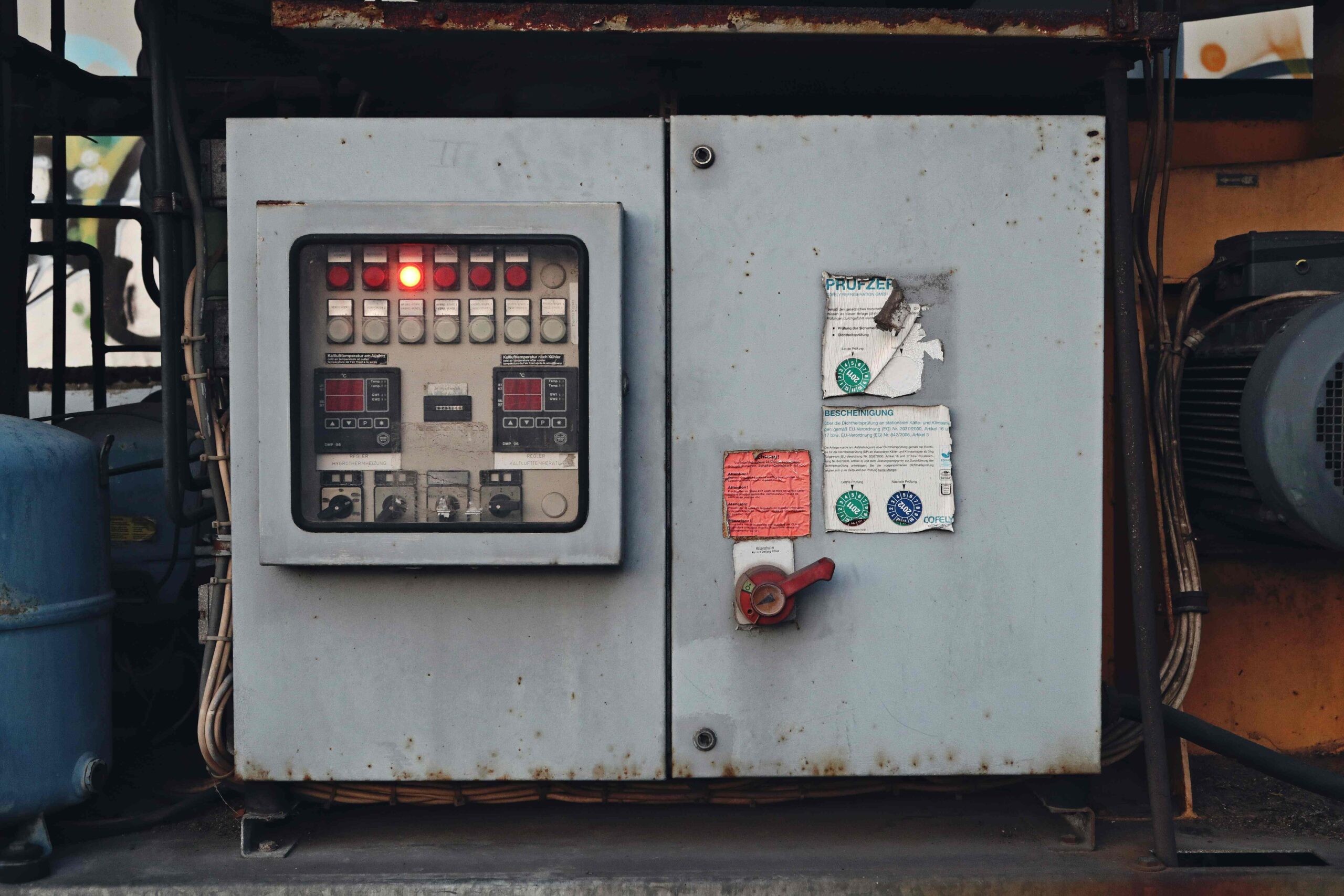
Industrial generators are the backbone of power continuity for businesses that cannot afford downtime. From hospitals and manufacturing plants to telecommunications towers, data centres, and commercial facilities, reliable backup power is essential to maintaining operations when the electrical grid is unavailable.
As organizations expand across multiple locations, manually monitoring generators becomes increasingly difficult. Routine inspections, fuel checks, maintenance scheduling, and fault diagnosis often require technicians to travel from site to site, increasing operational costs and delaying response times when issues occur.
This challenge has driven the adoption of generator telemetry—a technology that allows generators to communicate their operating status, performance metrics, and fault conditions in real time. Instead of relying solely on physical inspections, engineers and facility managers can monitor generators remotely through secure cloud-based dashboards accessible from virtually anywhere.
At the centre of this capability is the Remote Management System (RMS). By combining intelligent generator controllers, industrial communication protocols, telemetry gateways, and cloud software, an RMS provides continuous visibility into generator performance while enabling proactive maintenance and faster decision-making.
In this first part of our two-part series, we’ll explore what generator telemetry is, how telemetry-ready generators work, and why remote monitoring has become an essential component of modern power management.
At its core, generator telemetry is the process of collecting operational data from a generator and transmitting that information to a remote location for monitoring, analysis, and management. Rather than relying on manual inspections or routine site visits, telemetry enables engineers and facility managers to understand the condition of their generators in real time.
A modern generator continuously produces valuable operational data. This includes engine speed, oil pressure, coolant temperature, battery voltage, fuel level, output voltage, electrical load, frequency, and runtime hours. On their own, these values are useful only if someone is physically present to read them. Generator telemetry changes that by securely delivering this information to a centralized cloud platform where it can be viewed through a web browser or mobile application.
This capability is made possible through the integration of intelligent digital controllers, communication interfaces, telemetry gateways, and cloud software. Together, these components create a connected ecosystem that allows businesses to monitor generator fleets across multiple locations from a single dashboard.
For organizations managing critical infrastructure, generator telemetry offers more than convenience. It provides greater operational visibility, supports preventive maintenance, reduces unnecessary site visits, and enables faster responses to equipment faults before they lead to costly downtime.
As businesses continue embracing digital transformation, generator telemetry has become a key component of smart infrastructure management, helping organizations make informed decisions using real-time operational data rather than reactive maintenance practices.
To better understand generator telemetry, it helps to think of it as a conversation between the generator and the people responsible for keeping it operational.
In a traditional setup, a technician must visit the site to inspect the generator, record readings, check fuel levels, or investigate alarms. This approach is time-consuming, labour-intensive, and often reactive, meaning problems are only discovered after they have already affected operations.
With generator telemetry, the generator continuously reports its health and performance without requiring someone to be physically present. Information is collected from sensors installed throughout the engine and electrical system, processed by the generator’s digital controller, and transmitted through a telemetry gateway to a secure cloud platform. Authorized users can then access this information through an online dashboard or mobile application.
For example, imagine a company managing generators across several office locations. Instead of dispatching technicians to each site every day, the operations team can instantly determine which generators are running, how much fuel remains, whether maintenance is due, or if a fault has occurred—all from a single interface. This centralized visibility enables faster decision-making, reduces operating costs, and minimizes unexpected downtime.
Generator telemetry is therefore much more than remote monitoring. It provides organizations with the real-time operational intelligence needed to improve reliability, optimize maintenance schedules, enhance asset security, and make more informed business decisions.

One of the most common misconceptions about generator telemetry is that every modern generator can automatically send data to the cloud. In reality, this is only possible if the generator is telemetry-ready or has been upgraded with the necessary hardware.
A telemetry-ready generator is designed with a digital control system that can collect, process, and share operational data. Rather than acting as a simple backup power source, it functions as an intelligent machine capable of communicating with external monitoring systems. This built-in capability allows organizations to integrate the generator into a Remote Management System (RMS) with minimal additional hardware.
At the heart of every telemetry-ready generator is a digital generator controller—often referred to as the generator’s “brain.” This controller continuously receives information from sensors located throughout the engine and electrical system, interprets that data, and stores it in a standardized format that external devices can access.
However, being telemetry-ready does not necessarily mean the generator is already connected to the internet. In most deployments, an external telemetry gateway is still required to securely transmit the controller’s data to a cloud platform. Think of the controller as the brain that understands everything happening inside the generator, while the telemetry gateway acts as the messenger that delivers that information to engineers and operators anywhere in the world.
“Generator telemetry is no longer just a maintenance tool—it’s the foundation of proactive power management. Organizations that monitor equipment in real time can detect issues earlier, optimize maintenance schedules, and reduce costly downtime.”
Generator telemetry is not powered by a single device—it is the result of several intelligent technologies working together to create a connected monitoring ecosystem. Each component performs a specific function, and when integrated correctly, they provide organizations with continuous visibility into generator performance regardless of location.
The process begins with sensors strategically installed throughout the generator. These sensors constantly measure essential operating parameters such as engine speed, oil pressure, coolant temperature, battery voltage, fuel level, output voltage, electrical current, frequency, and load. Every second, this information reflects the health and operating condition of the generator.
The collected data is then sent to the digital generator controller, often referred to as the generator’s “brain.” Rather than simply displaying values on a screen, the controller continuously analyses the incoming information, detects abnormal operating conditions, logs events, manages automatic start and stop functions, and prepares the data for external communication. This intelligence allows the generator to respond to faults quickly while maintaining safe and efficient operation.
However, the controller’s primary responsibility is local control. To make this information accessible from outside the generator, a telemetry gateway is connected through industrial communication interfaces such as RS485 or CAN Bus. Acting as the communication bridge, the gateway securely retrieves operational data from the controller and transmits it over a cellular or network connection to a cloud platform.
Once uploaded, the data becomes available through secure web dashboards and mobile applications, giving maintenance teams and operations managers instant access to live equipment status, historical performance trends, maintenance schedules, and fault notifications. Instead of relying on manual inspections or waiting for failures to occur, organizations can monitor generator performance continuously, enabling faster responses, improved planning, and more efficient asset management.
Together, these components transform a traditional standby generator into a connected, intelligent asset capable of supporting modern business operations through real-time monitoring, predictive maintenance, and data-driven decision-making.
As organizations continue to digitize their operations, generator telemetry is becoming more than a convenience—it’s a strategic business tool. Whether managing a single generator at a commercial facility or hundreds of units across multiple locations, having immediate access to operational data enables organizations to make faster, smarter decisions.
Instead of waiting for routine inspections, engineering teams can identify developing issues before they become costly failures. Fuel usage can be monitored more accurately, maintenance schedules can be based on actual operating hours rather than fixed dates, and unexpected downtime can be significantly reduced. For industries where uninterrupted power is critical, such as healthcare, telecommunications, manufacturing, financial services, and data centres, these capabilities directly contribute to operational resilience and business continuity.
Generator telemetry also provides valuable historical data that supports long-term planning. By analysing equipment performance over time, organizations can identify recurring faults, optimize maintenance budgets, improve fuel efficiency, and make informed decisions about equipment upgrades or replacement. Rather than simply reacting to problems, businesses gain the insight needed to continuously improve the reliability and performance of their power infrastructure.
As more organizations adopt connected technologies, integrating generator telemetry into broader digital operations is becoming increasingly important. At Rage Technology, we understand that modern businesses rely on technology that is not only innovative but also practical, scalable, and aligned with their operational objectives. Whether supporting digital transformation initiatives or helping organizations build smarter operational workflows, technology should empower better decision-making at every level.
Implementing an effective generator telemetry solution requires more than installing hardware. Success depends on selecting the right controller, integrating compatible communication technologies, configuring secure cloud platforms, and ensuring that the entire system aligns with an organization’s operational goals.
Equally important is having the right technology partner to design, integrate, and support the digital systems that power modern businesses. While generator telemetry focuses on improving visibility into power infrastructure, it also forms part of a broader digital ecosystem where software, cloud services, automation, and connected technologies work together to improve operational efficiency.
At Rage Technology, we help businesses leverage technology to solve real operational challenges. From Website Design & Customization and App & System Customization to Managed IT Services, Website Maintenance & Support, and SEO Optimization & Ranking, our solutions are designed to help organizations build secure, scalable, and future-ready digital environments. As businesses continue embracing automation and connected systems, having a trusted technology partner becomes just as important as selecting the right hardware.
In Part 2 of this guide, we’ll explore how Remote Management Systems are deployed in real-world environments, including telemetry installation, generator retrofitting, cloud dashboards, communication interfaces, and industry best practices. You’ll gain a practical understanding of how these systems are implemented and what organizations should consider when planning a successful RMS deployment.
Generator telemetry has fundamentally changed the way organizations manage industrial power systems. Instead of relying on manual inspections and reactive maintenance, businesses can now monitor generator performance in real time, receive instant alerts, analyse historical trends, and make informed decisions based on accurate operational data.
As we’ve explored throughout this article, a telemetry-ready generator is much more than a backup power source. Equipped with intelligent digital controllers and integrated with Remote Management Systems (RMS), these generators become connected assets capable of improving reliability, reducing maintenance costs, strengthening fuel management, and supporting business continuity.
Whether you’re responsible for a single facility or a nationwide fleet of generators, understanding how generator telemetry works is the first step toward building a smarter, more efficient power management strategy.
Understanding the fundamentals of generator telemetry is only the beginning. Successfully deploying an RMS requires careful planning, the right communication technologies, secure cloud integration, and a solution tailored to your operational needs.
At Rage Technology, we’re committed to helping organizations embrace intelligent technologies that improve efficiency, reliability, and long-term business performance. Whether you’re looking to modernize your digital infrastructure, build custom technology solutions, or strengthen your online presence through our Website Design & Customization, App & System Customization, Managed IT Services, Website Maintenance & Support, and SEO Optimization & Ranking services, our team is here to help.
In Part 2 of this series, we’ll take a practical look at how Remote Management Systems are implemented in real-world environments, covering telemetry installation, communication interfaces, generator retrofitting, cloud dashboards, and best practices for deploying remote monitoring solutions across industrial generator fleets. If you’re planning to implement smarter monitoring systems or modernize your business technology, Rage Technology is ready to help you take the next step.
WordPress powers more than 40% of websites worldwide and remains a popular choice for...
Local SEO helps businesses improve their visibility in local search and connect with customers...
A Content Management System (CMS) is one of the most important technologies behind modern...
Not every business requires a fully custom website, and not every website builder is...
Reliable advanced engineering solutions for secure and scalable digital infrastructure.
© 2026 Rage Technology. All Rights Reserved.