
Custom Website vs Website Builder: Which Is the Right Choice for Your Business?
Not every business requires a fully custom website, and not every website builder is...
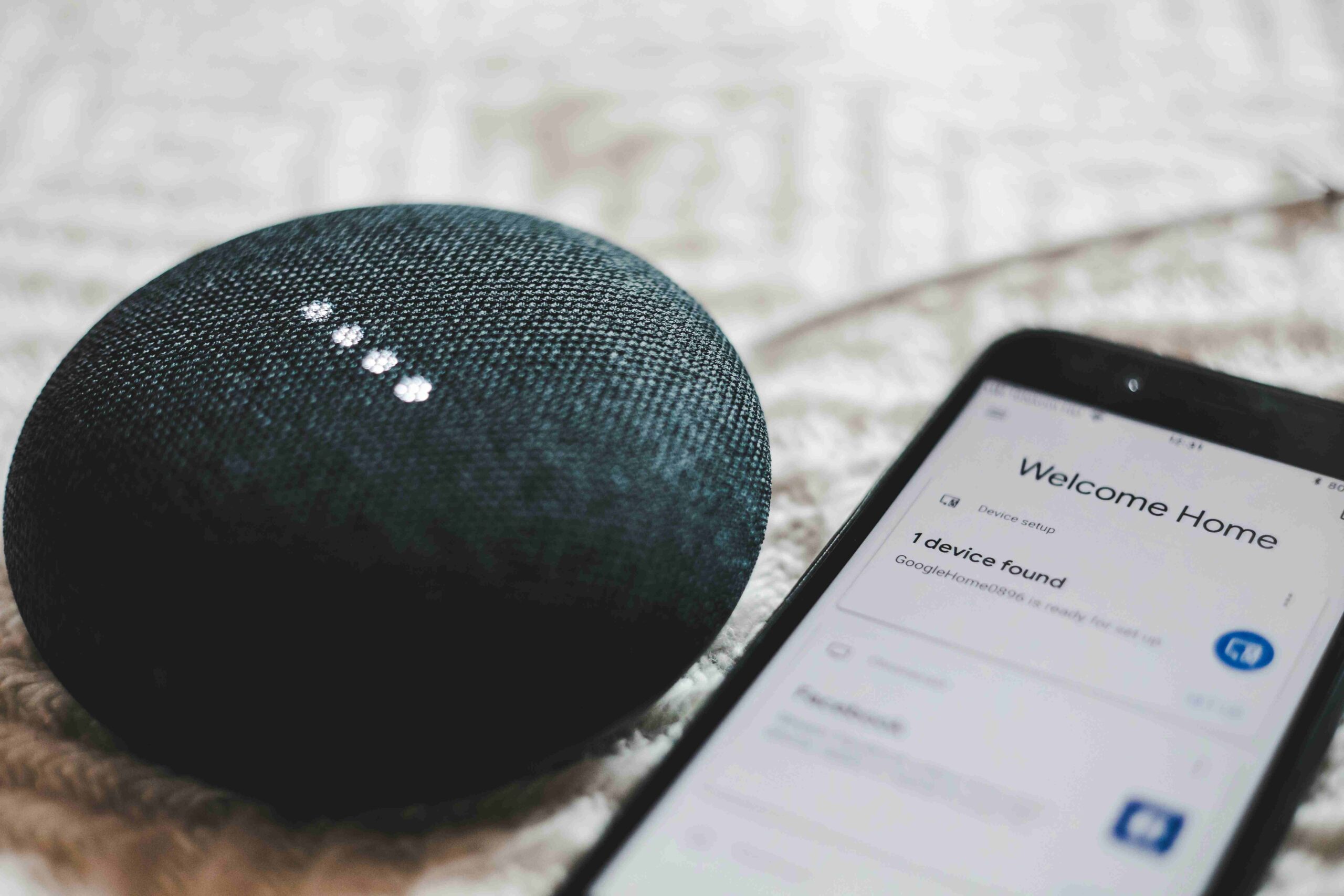
Artificial intelligence, cloud computing, and connected devices are reshaping the way people interact with their homes across the world, and Africa is increasingly becoming part of this transformation. What was once considered a luxury reserved for high-end residential properties is gradually becoming a practical solution for improving security, energy management, convenience, and overall quality of life. As internet connectivity improves, smartphone adoption continues to rise, and digital infrastructure expands across the continent, AI-powered smart home platforms are gaining significant momentum among homeowners, property developers, and technology enthusiasts.
A smart home platform goes beyond simply connecting devices. It provides a centralized ecosystem where lighting, security systems, smart locks, appliances, sensors, climate control systems, and other connected technologies can communicate intelligently. When combined with artificial intelligence, these platforms can learn user habits, automate repetitive tasks, provide predictive recommendations, and deliver a more personalized living experience. The result is a home that is not only connected but capable of making intelligent decisions based on user behavior and environmental conditions.
According to research by Next Move Strategy Consulting, Africa’s smart home market is currently valued at approximately USD 4.60 billion and is projected to reach USD 10.51 billion by 2030, growing at an annual rate of nearly 18 percent. This rapid growth highlights increasing interest in connected living solutions across both residential and commercial environments. As more African households seek greater control, efficiency, and security, AI-powered smart home platforms are emerging as one of the most promising technologies driving the continent’s digital future. Also, according to industry analysts, smart homes are gaining traction among urban Nigerians as homeowners increasingly seek better security, convenience, and energy management solutions.
Several factors are contributing to the growing adoption of smart home technologies across Africa. One of the most significant drivers is the rapid increase in smartphone ownership and internet accessibility. Mobile devices have become the primary gateway to digital services for millions of people, creating an environment where connected technologies can thrive. Homeowners can now monitor security cameras, control lighting systems, manage appliances, and receive real-time alerts directly from their smartphones regardless of their physical location.
Urbanization is another major factor. Cities such as Lagos, Nairobi, Johannesburg, Accra, and Cairo continue to experience rapid population growth, leading to increased demand for modern residential developments equipped with intelligent technologies. Property developers are increasingly integrating smart security systems, automated lighting, access control solutions, and energy management tools into new housing projects to meet changing consumer expectations. Security concerns have also played a major role in accelerating adoption. Smart surveillance systems, AI-powered cameras, motion sensors, smart locks, and remote monitoring capabilities provide homeowners with greater visibility and control over their properties. As security becomes an increasingly important consideration for both residential and commercial property owners, intelligent monitoring solutions are becoming essential components of modern homes.
In addition, Africa’s unique energy challenges have created opportunities for innovative smart home solutions. Unlike many developed markets where smart home technologies focus primarily on convenience, African households often adopt smart technologies to improve energy efficiency and reduce dependence on inconsistent power grids. Smart meters, solar energy monitoring systems, intelligent battery management platforms, and automated energy optimization tools are becoming increasingly valuable in helping homeowners manage energy consumption more effectively.
The integration of artificial intelligence into smart home ecosystems is transforming these systems from simple remote-control tools into intelligent living environments capable of learning and adapting to user behavior. Rather than requiring homeowners to manually configure every action, AI-powered platforms can analyze patterns, predict preferences, and automate decisions based on daily routines.
For example, an intelligent platform may learn when household members typically arrive home and automatically adjust lighting, climate control, and security settings accordingly. It may detect unusual activity, send alerts, recommend energy-saving actions, or even optimize appliance usage during specific periods. These capabilities create a more seamless and efficient living experience while reducing the complexity often associated with traditional automation systems.
The broader African AI market reflects this growing momentum. Industry projections indicate that the market could expand from approximately USD 4.5 billion today to USD 16.5 billion by 2030, highlighting the increasing role artificial intelligence is expected to play across multiple sectors, including smart homes, healthcare, finance, education, and infrastructure management. As AI technologies become more accessible and affordable, their integration into connected home platforms will continue to accelerate across the continent.
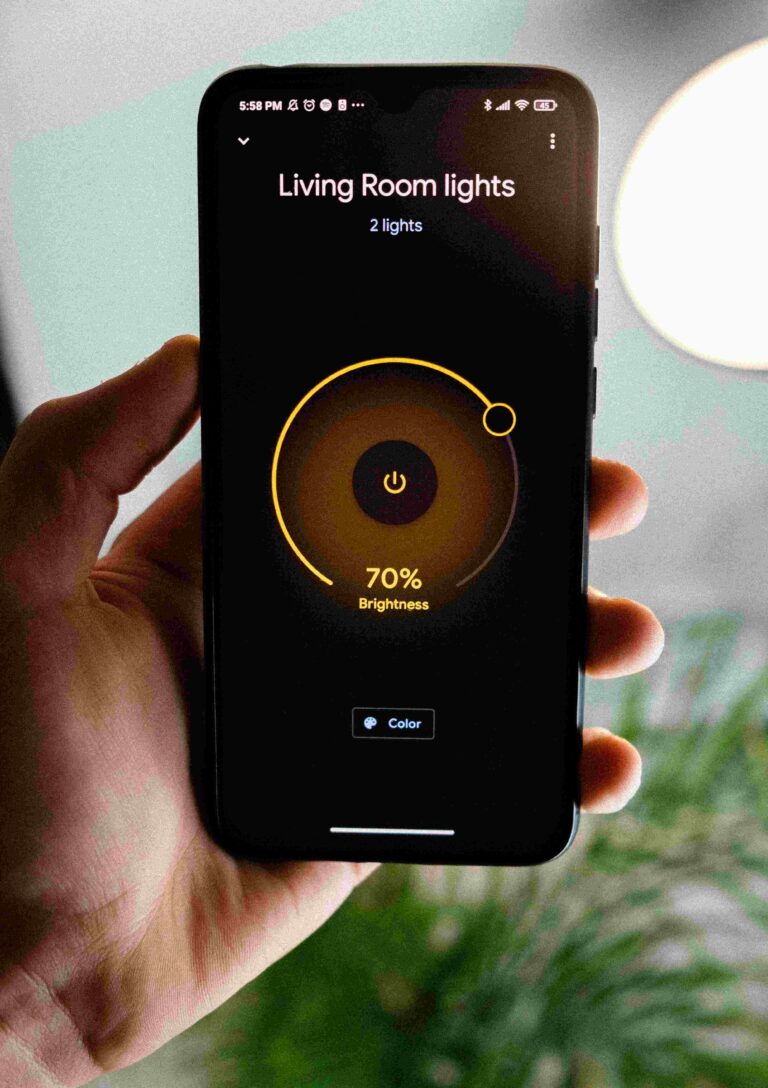
The rapid growth of smart home adoption across Africa is being driven by practical needs rather than luxury alone. While convenience remains important, many households are embracing intelligent technologies to address challenges such as security concerns, rising energy costs, remote property management, and inconsistent power infrastructure. This unique combination of needs is shaping a smart home market that is both innovative and highly relevant to everyday life across the continent. An industry expert, Simeon Kadiri, emphasizes the importance of integrated security within connected homes:
“A well-secured home should provide real-time alerts, remote monitoring, and integrated security devices. These are essential, especially in urban areas where security is a concern.”
These observations highlight a critical shift in consumer expectations. Modern homeowners are no longer looking for isolated smart devices that operate independently. Instead, they increasingly prefer unified platforms capable of managing multiple devices, automating routine actions, and providing intelligent insights through a single interface. As AI continues to evolve and connected technologies become more affordable, the demand for comprehensive smart home ecosystems is expected to accelerate across residential communities, commercial properties, and smart city initiatives throughout Africa.
“Africa’s smart home market is not a copy-paste of the West — it’s a leapfrog opportunity. It’s about solving real problems: security, energy, and access with intelligent, connected solutions.”
CEO, UrbanTech Africa
The first generation of smart homes focused primarily on device connectivity. Homeowners could control lights, locks, cameras, and appliances remotely using dedicated applications. While these technologies introduced convenience, they often operated in isolation, requiring users to manage multiple platforms and manually configure automation rules. As the number of connected devices increased, so did the complexity of managing them effectively. Today’s smart home platforms are evolving far beyond simple device control. Artificial intelligence is transforming connected homes into intelligent ecosystems capable of understanding user behavior, predicting needs, and responding proactively to changing conditions. Instead of merely reacting to commands, modern platforms can analyze data from sensors, learn daily routines, identify unusual activity, and automate decisions in real time.
For example, an AI-powered platform can automatically adjust lighting based on occupancy patterns, optimize temperature settings according to weather forecasts, detect unusual movement around a property, or notify homeowners of potential security concerns before they become serious issues. These capabilities reduce manual intervention while improving comfort, security, and operational efficiency. Cloud infrastructure has also become a critical component of modern smart home ecosystems. By leveraging cloud-based platforms, homeowners can access their properties from virtually anywhere, synchronize settings across multiple devices, receive instant notifications, and benefit from continuous software updates that improve functionality over time. This cloud-first approach is one of the reasons Software-as-a-Service (SaaS) models are becoming increasingly attractive within the smart home industry.
The combination of AI, IoT, cloud computing, and mobile connectivity is creating a new generation of intelligent living environments. As these technologies mature and become more accessible, African households are increasingly positioned to benefit from smarter, safer, and more efficient ways of living.
As smart home adoption continues to accelerate across Africa, the next challenge is no longer connecting devices but managing them intelligently through a single, scalable platform. Many households today operate multiple smart devices from different manufacturers, often requiring separate applications, disconnected workflows, and fragmented user experiences. The future of connected living lies in bringing these technologies together within a unified ecosystem capable of delivering seamless automation, intelligent decision-making, and centralized control. This growing demand presents significant opportunities for organizations seeking to develop intelligent smart home platforms capable of supporting modern connected living. Businesses, property developers, residential communities, and technology startups are increasingly exploring Software-as-a-Service (SaaS) solutions that can provide secure device management, remote access, intelligent automation, user management, and advanced monitoring capabilities within a centralized environment. The ability to manage multiple smart devices through a unified platform is becoming a key requirement for delivering efficient and scalable smart home experiences.
A modern smart home platform may support a wide range of connected technologies, including lighting systems, temperature controls, smart locks, appliances, sensors, cameras, and other IoT-enabled devices. Through cloud-based infrastructure, users can securely access and manage their homes from anywhere with an internet connection while receiving real-time updates, alerts, and operational insights. This level of connectivity enables homeowners to maintain greater visibility and control over their environments regardless of location. Beyond remote device management, artificial intelligence is enabling smart home platforms to learn user routines, automate repetitive tasks, identify patterns, and provide intelligent recommendations that improve convenience and efficiency. Users can increasingly interact with these systems through chat-based and voice-based interfaces while benefiting from automation workflows that continuously adapt to their behavior. As AI technologies continue to mature, these capabilities are expected to become standard features within next-generation smart home ecosystems.
Organizations looking to develop intelligent home automation solutions require expertise in cloud infrastructure, IoT integration, application development, system customization, user management, security monitoring, and AI-powered automation. Through our technology expertise, custom software development capabilities, and digital transformation services, Rage Technology helps businesses explore and build scalable solutions that support connected living, intelligent automation, and modern smart home operations. Whether you are a technology startup, property developer, residential community, facility management company, or organization exploring opportunities within the growing smart home market, having the right technology partner can significantly accelerate the success of your project. Developing a modern smart home platform requires careful planning, scalable architecture, secure integrations, reliable cloud infrastructure, and intelligent automation capabilities that can evolve alongside user needs and emerging technologies.
At Rage Technology, we work with organizations seeking to transform innovative ideas into practical digital solutions by providing expertise in application development, system customization, AI integration, cloud-based platforms, and connected technology ecosystems. From concept validation and platform architecture to deployment and ongoing optimization, our team helps clients navigate the technical complexities involved in building future-ready smart home and IoT solutions.
If your organization is considering the development of a smart home platform, connected living solution, intelligent automation system, or SaaS-based management platform, we encourage you to contact us to discuss your vision, project requirements, and long-term goals. By combining strategic planning with modern technology expertise, organizations can build secure, scalable, and intelligent solutions that create lasting value while supporting the future of connected living across Africa and beyond.
Africa’s smart home market is entering a period of remarkable growth, fueled by increasing internet connectivity, rapid urbanization, expanding digital infrastructure, and growing demand for intelligent living solutions. What was once viewed as a luxury is quickly becoming a practical technology investment for homeowners seeking greater security, convenience, energy efficiency, and control over their environments. As artificial intelligence continues to mature and connected devices become more accessible, smart homes are evolving from collections of isolated devices into intelligent ecosystems capable of learning, adapting, and responding to user needs in real time. The continent’s unique challenges and opportunities are also shaping a distinctly African approach to smart home adoption. Unlike many developed markets where convenience remains the primary driver, African households are increasingly embracing connected technologies to address security concerns, improve energy management, optimize resource utilization, and maintain greater visibility over their homes regardless of location. This combination of practical necessity and technological innovation is creating fertile ground for the widespread adoption of AI-powered smart home platforms across both residential and commercial environments.
As the demand for intelligent home automation continues to grow, the future will belong to platforms that can unify devices, simplify management, automate complex tasks, and deliver secure, scalable experiences through a single ecosystem. The next generation of smart homes will not simply react to commands—they will anticipate needs, optimize operations, and provide seamless experiences powered by artificial intelligence, cloud technologies, and connected devices.
At Rage Technology, we recognize the immense potential of this transformation and the opportunities it presents for homeowners, property developers, businesses, and technology innovators across Africa. As organizations increasingly explore smart home platforms, intelligent automation systems, IoT ecosystems, and SaaS-based management solutions, the need for experienced technology partners becomes more important than ever. Through our expertise in software development, application customization, AI integration, cloud infrastructure, and digital transformation, we help organizations design and implement technology solutions that support innovation, scalability, and long-term growth. Whether you are planning a smart home platform, developing an IoT-enabled solution, modernizing existing systems, or exploring new opportunities within connected technologies, our team can help transform concepts into practical and scalable digital products. As Africa continues its digital evolution, intelligent platforms will play an increasingly important role in shaping how people live, work, manage resources, and interact with technology. Organizations that embrace these innovations today will be better positioned to lead tomorrow’s connected world.
Building intelligent technology solutions requires more than technical capability—it requires experience, innovation, and a clear understanding of how technology can create lasting value. At Rage Technology, we work closely with organizations to develop scalable digital platforms that support growth, efficiency, and innovation. Learn more about our experience, approach, and commitment to delivering technology solutions that make an impact. If you are considering a smart home solution, connected platform, or intelligent automation project, contact us to discuss your goals and learn how our team can help bring your vision to life through secure, scalable, and future-ready technology solutions.
Not every business requires a fully custom website, and not every website builder is...
Discover how Remote Management Systems are implemented, from generator controllers and telemetry gateways to...
Generator telemetry is transforming how businesses monitor and manage industrial power systems. Discover how...
Technology should help businesses grow—not create unnecessary costs and disruptions. Discover how Managed IT...
Reliable advanced engineering solutions for secure and scalable digital infrastructure.
© 2026 Rage Technology. All Rights Reserved.