
Application and System Customization Explained: A Practical Guide for Businesses
Application and system customization helps businesses connect their tools, cut repetitive work, and make...

Your website is more than just an online presence—it is often the first impression potential customers have of your business. Before a customer calls, sends an enquiry, or purchases a product or service, they are likely to visit your website to learn more about your company. A well-designed website can build trust, communicate professionalism, and encourage visitors to take the next step. On the other hand, a poorly planned website can create doubt, reduce credibility, and cause potential customers to look elsewhere.
As businesses continue to embrace digital transformation, creating a website has become more accessible than ever. Modern website builders allow individuals and businesses to launch a website within hours using pre-designed templates and drag-and-drop tools, while custom websites provide a tailored solution built around specific business goals, branding requirements, and operational needs. Both options have their place, but understanding their strengths and limitations is essential before making a decision.
One of the most common misconceptions is that one option is always better than the other. In reality, the right choice depends on several factors, including the size of your business, your available budget, your long-term growth plans, the level of customization you require, and how your website will support your overall business strategy. A startup with a limited budget and a simple online presence may have very different requirements from a growing company that needs advanced integrations, customer portals, booking systems, or a scalable digital platform.
Choosing the wrong solution can have long-term consequences. For example, a website that cannot accommodate future growth may eventually require a complete redesign or migration to another platform, resulting in additional costs, operational disruption, and lost opportunities. Similarly, investing in a highly customized solution when your business only needs a simple informational website may lead to unnecessary expenses. Understanding these trade-offs from the beginning helps businesses make smarter technology investments and avoid costly mistakes.
This is why the conversation should not simply be about choosing between a custom website and a website builder. Instead, it should focus on selecting the solution that aligns with your current business objectives while remaining flexible enough to support future growth. Factors such as search engine visibility, website performance, user experience, security, maintenance requirements, third-party integrations, and scalability all play an important role in determining which option will deliver the greatest long-term value.
In this guide, we’ll take an objective look at both approaches by defining what custom websites and website builders are, highlighting their key features, advantages, and limitations, and comparing them across important business considerations such as cost, flexibility, performance, maintenance, and scalability. We’ll also explore practical business scenarios to help you determine which option is most suitable for your organization, regardless of its size or industry.
Before comparing the advantages and limitations of each option, it’s important to understand what a custom website and a website builder actually are. Although both can help businesses establish a professional online presence, they are built differently and offer varying levels of flexibility, control, and scalability. Understanding these differences is the first step toward selecting a solution that aligns with your business goals.
A website builder is a tool or platform that allows users to create websites using pre-designed templates, visual editors, and ready-made components with little or no coding experience. These solutions are designed to simplify the website creation process, making them a popular choice for startups, small businesses, freelancers, and individuals who want to launch a website quickly. Popular website builders include Wix, Squarespace, Shopify, Webflow, and GoDaddy Website Builder. Many of these platforms also include web hosting, security, software updates, and basic maintenance as part of their subscription plans, allowing businesses to focus on managing their content instead of handling technical infrastructure.
A custom website, on the other hand, is planned, designed, and developed specifically to meet the unique needs of a business. Instead of relying on predefined templates or platform limitations, every aspect of the website—from its design and functionality to its user experience and integrations—is tailored to support specific business objectives. Custom websites are commonly developed using platforms and technologies such as WordPress, Laravel, React, Next.js, or Django, depending on the project’s requirements. It’s important to distinguish between WordPress and website builders. WordPress is a Content Management System (CMS), not a website builder. However, it can be combined with custom themes, plugins, or page builders such as Elementor to create anything from a simple business website to a fully customized enterprise solution.
Although both approaches result in a functional website, they differ significantly in terms of flexibility, scalability, ownership, performance, and future development. Website builders are designed to work within the features and limitations of their platform, while custom websites are built around the specific needs of your business. This gives businesses greater freedom to implement custom functionality, unique branding, advanced integrations, and specialized user experiences as their requirements evolve.
Ownership and long-term flexibility are also important considerations. With many website builders, your website operates within the provider’s ecosystem, which means certain design options, features, or migrations may be limited by the platform. A custom website generally provides greater control over your website’s functionality, hosting environment, and future development, making it easier to adapt to changing business needs without being restricted by platform limitations.
Neither approach is universally better than the other. The most suitable option depends on your business objectives, available resources, required functionality, timeline, and long-term growth strategy. As we explore the benefits, limitations, and practical use cases of each approach throughout this guide, you’ll gain a clearer understanding of which solution offers the greatest value for your business—both today and as it continues to grow.
While both custom websites and website builders help businesses establish an online presence, they differ in several important ways. Understanding these differences will help you determine which option aligns better with your business goals, budget, and long-term plans.
Setup Time:
Website builders are designed for speed, allowing businesses to launch a website within hours or a few days. A custom website requires more planning, design, development, and testing, meaning the process generally takes longer depending on the project’s complexity.
Initial Investment:
Website builders usually have a lower upfront cost and operate on monthly or annual subscription plans. Custom websites require a higher initial investment because they are designed specifically for your business, but they often provide greater long-term value as your business grows.
Design Flexibility:
Website builders rely on pre-designed templates with limited customization options. Custom websites offer complete creative freedom, allowing every page, feature, and user experience to be tailored to your brand and business objectives.
Ease of Management:
Most website builders are beginner-friendly and include intuitive drag-and-drop editors that make updating content simple. Custom websites may require assistance during development, but many are built with user-friendly content management systems that allow businesses to manage day-to-day updates with ease.
Search Engine Optimization (SEO):
Website builders include basic SEO tools suitable for many small websites. However, custom websites provide greater flexibility for implementing advanced SEO Optimization & Ranking strategies, including improved site structure, technical optimization, page speed, and structured data.
Performance and Speed:
Website builders depend on the platform’s infrastructure and available optimization features. Custom websites can be optimized specifically for your business, resulting in faster loading times and better overall performance when developed correctly.
Scalability:
Website builders work well for businesses with straightforward requirements but may become restrictive as additional features are needed. Custom websites are built to grow alongside your business, making it easier to introduce new functionality, integrations, and services over time.
Integrations:
Website builders support a range of third-party applications, although compatibility depends on the platform. Custom websites provide significantly greater flexibility, allowing businesses to integrate booking systems, customer relationship management (CRM) software, payment gateways, inventory systems, and other specialized business tools.
Maintenance:
Most website builders handle software updates and security behind the scenes. Custom websites require ongoing Website Maintenance & Support to ensure they remain secure, updated, and performing at their best.
Ultimately, the comparison isn’t about determining which solution is universally better. Instead, it’s about identifying which option best supports your current business needs while providing the flexibility to adapt as your organization grows. The following sections explore the strengths and limitations of each approach in greater detail, helping you make a decision with confidence.
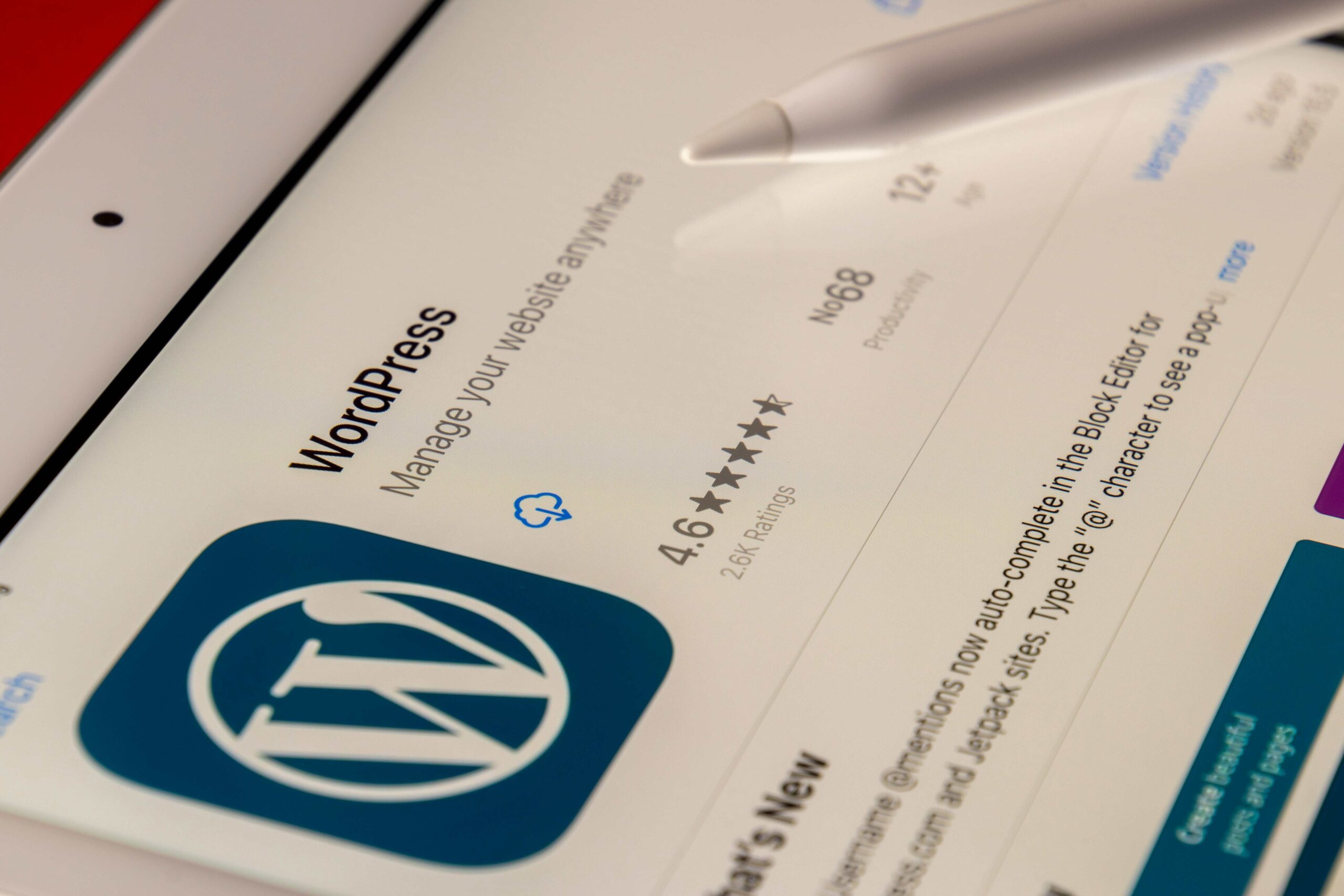
Website builders have transformed the way businesses establish an online presence by making website creation faster, more affordable, and accessible to people with little or no technical experience. For startups, freelancers, small businesses, and organizations with straightforward website requirements, they provide a practical way to launch a professional-looking website without the need for extensive development.
One of the biggest advantages of website builders is their ease of use. Most platforms feature drag-and-drop editors, pre-designed templates, and built-in tools that simplify the entire website creation process. Instead of writing code or managing complex development tasks, users can customize layouts, add content, upload images, and publish their websites through an intuitive interface.
Website builders also help reduce the time required to launch a website. Since hosting, security, software updates, and many essential features are already included, businesses can focus on building their online presence rather than configuring technical infrastructure. This makes them particularly suitable for businesses that need a website quickly to promote their products or services.
Another advantage is predictable pricing. Most website builders operate on subscription plans that bundle hosting, maintenance, and essential website features into a single monthly or annual fee. For businesses with limited budgets or simple requirements, this can be a cost-effective way to establish an online presence while avoiding significant upfront development costs.
Many modern website builders also include useful business features such as contact forms, appointment scheduling, online stores, blogging tools, analytics integrations, and basic SEO settings. These built-in capabilities are often sufficient for businesses that primarily need an informational website or a simple eCommerce solution.
However, it’s important to remember that website builders are designed to serve a wide range of users. While they provide convenience and speed, businesses should also consider whether the platform can continue meeting their needs as operations expand, customer expectations evolve, and digital requirements become more sophisticated. Choosing a website should always be based on both your current needs and your long-term business goals.
“Your website is the center of your digital ecosystem, like a brick and mortar location, the experience matters once a customer enters, just as much as the perception they have of you before they walk through the door.”
As businesses grow, their digital requirements often become more complex. While website builders can provide an excellent starting point, many organizations eventually require greater flexibility, enhanced functionality, and a website that is built around their unique business processes rather than the limitations of a template. This is where a custom website becomes a valuable long-term investment.
One of the biggest advantages of a custom website is complete design flexibility. Every aspect of the website from its layout and navigation to its visual identity and functionality can be tailored to reflect your brand and support your business objectives. Instead of adapting your business to fit a template, a custom website is designed to fit your business.
Custom websites also provide greater scalability. As your business expands, your website can evolve alongside it by introducing new features, integrating additional systems, or supporting increased traffic without requiring a complete rebuild. Whether you plan to add customer portals, booking systems, membership platforms, eCommerce functionality, or other advanced capabilities, a custom website provides the flexibility to grow with your business.
Another major benefit is improved search engine performance. Although many website builders include basic SEO tools, custom websites offer greater control over technical elements that influence search visibility. Businesses investing in SEO Optimization & Ranking can benefit from optimized site architecture, faster page loading speeds, cleaner code, structured data implementation, and greater flexibility in managing metadata, redirects, and content organization. These factors contribute to a stronger foundation for long-term organic growth.
Custom websites also make it easier to integrate with other business systems. As operations become more sophisticated, many organizations need their website to connect with customer relationship management (CRM) platforms, payment gateways, inventory management systems, marketing automation tools, accounting software, or internal business applications. Through App & System Customization, these integrations can be developed to streamline workflows, reduce manual tasks, and improve operational efficiency.
Performance and user experience are equally important. A custom website can be optimized to deliver faster loading times, intuitive navigation, responsive design across all devices, and a seamless browsing experience that encourages visitors to stay engaged. These improvements not only enhance customer satisfaction but can also contribute to better search engine rankings and higher conversion rates.
Like any valuable business asset, a custom website requires ongoing care to maintain its performance, security, and compatibility with evolving technologies. Regular Website Maintenance & Support ensures that software remains up to date, security vulnerabilities are addressed, backups are maintained, and the website continues to operate reliably as your business grows.
Ultimately, a custom website is best suited for businesses that view their website as more than an online brochure. When a website becomes a central part of marketing, customer engagement, sales, and daily operations, investing in a solution designed specifically around your business can provide long-term value, greater flexibility, and a stronger foundation for sustainable growth.
Choosing between a custom website and a website builder involves more than comparing features or pricing. The right decision should be based on your business objectives, operational requirements, and long-term plans. Taking the time to evaluate these factors can help you avoid unnecessary costs and ensure your website continues to support your business as it grows.
1. Your Business Goals
Start by identifying what you want your website to achieve. If your goal is simply to establish an online presence with basic company information, a website builder may provide everything you need. However, if your website is expected to generate leads, support digital marketing campaigns, process online transactions, or become an essential part of your daily operations, a custom website is often the more suitable solution.
2. Budget and Long-Term Value
Budget is naturally an important consideration, but it should be evaluated from both a short-term and long-term perspective. Website builders generally require a smaller initial investment, while custom websites involve higher upfront development costs. However, businesses should also consider ongoing subscription fees, future upgrades, redesign costs, and the potential expense of migrating to another platform if business requirements change.
3. Future Growth Plans
Think about where your business will be in the next three to five years. Will you introduce new services, expand into additional markets, launch an online store, or require customer portals and advanced functionality? Choosing a solution that can scale alongside your business can reduce future redevelopment costs and provide greater flexibility as your needs evolve.
4. Search Engine Visibility
If attracting customers through search engines is part of your marketing strategy, your website should support effective SEO Optimization & Ranking from the beginning. Factors such as website structure, loading speed, mobile responsiveness, content organization, and technical optimization all contribute to long-term search performance.
5. Maintenance and Technical Support
Every website requires ongoing updates, monitoring, and maintenance to remain secure and perform reliably. While website builders manage much of this automatically, custom websites benefit from professional Website Maintenance & Support to ensure they continue operating efficiently, remain protected against security vulnerabilities, and stay compatible with evolving technologies.
6. Business Systems and Integrations
Many businesses eventually need their website to connect with other tools such as CRM platforms, accounting software, booking systems, inventory management solutions, or marketing platforms. If these integrations are important to your operations, custom development combined with App & System Customization provides significantly greater flexibility for creating solutions that match your workflows.
Ultimately, the best choice is the one that supports both your current priorities and your future ambitions. Rather than selecting a solution based solely on convenience or price, consider how your website will contribute to your business growth, customer experience, and overall digital strategy in the years ahead.
Choosing between a website builder and a custom website isn’t about finding a universally “better” option—it’s about selecting the solution that best aligns with your business goals, operational requirements, and long-term growth strategy. Every business is different, and the right choice depends on what you need your website to accomplish both today and in the years ahead.
Website builders are an excellent choice for businesses that need a professional online presence quickly without requiring extensive customization. They are particularly well suited for startups, freelancers, consultants, local businesses, and organizations that need a clean, functional website to showcase their services, share information, or establish credibility online.
A website builder may be the right solution if your business:
For many businesses, a website builder provides a practical starting point that allows them to establish an online presence while focusing on growing their operations.
As your business grows, so do your digital requirements. Your website may become more than a marketing tool—it may need to generate leads, automate processes, integrate with internal systems, manage customer interactions, or support online transactions. In these situations, a custom website offers the flexibility and scalability needed to support evolving business objectives.
A custom website is often the better option if your business:
Rather than adapting your business to fit the limitations of a platform, a custom website is designed around the way your business operates, providing greater flexibility as your needs become more sophisticated.
One of the most common mistakes businesses make is choosing a website based solely on their immediate requirements. While today’s priorities may be launching quickly or minimizing initial costs, it’s equally important to consider where your business will be in the next three to five years.
Will you expand your services? Launch an online store? Introduce customer portals? Connect your website to other business systems? Increase your investment in digital marketing? Planning for future growth from the outset can help you avoid costly migrations, redesigns, and operational disruptions later.
Ultimately, the best website is one that continues to support your business as it grows—not one that needs to be replaced when your requirements change.
At Rage Technology, we understand that every business has different goals, budgets, and technical requirements. That’s why our approach to Website Design & Customization isn’t limited to a single solution. Whether a website builder is the right fit for your current needs or your business requires a fully customized website with advanced functionality, we help you choose and implement the solution that delivers the greatest long-term value. Combined with our expertise in SEO Optimization & Ranking, App & System Customization, Managed IT Services, and Website Maintenance & Support, we ensure your website is not only built for today but is also prepared to support your business as it continues to grow. To learn more about our approach, visit our About page, explore our Services, return to our Home page, or get in touch through our Contact page to discuss your project.
A business website should do more than establish an online presence—it should strengthen your brand, build customer confidence, support your marketing efforts, and adapt as your business evolves. Whether it’s built using a website builder or developed as a custom solution, its true value lies in how effectively it helps you achieve your business goals.
Both approaches offer distinct advantages. Website builders provide an efficient and cost-effective way to launch a professional website, making them an excellent option for businesses with straightforward requirements or limited resources. Custom websites, on the other hand, offer the flexibility, scalability, and advanced functionality needed by organizations that view their website as a key driver of growth, customer engagement, and operational efficiency.
The most successful websites aren’t defined by the platform they’re built on—they’re defined by how well they serve the people who use them and the businesses they represent. By considering your current priorities alongside your long-term vision, you can invest in a solution that delivers lasting value, supports future growth, and continues to meet your evolving business needs.
A well-planned website is more than a digital asset—it is an investment in your business’s credibility, customer experience, and future growth. The platform you choose today should not only address your immediate requirements but also provide the flexibility to support new opportunities, changing customer expectations, and long-term business objectives.
At Rage Technology, we believe every business deserves a website that works as hard as the people behind it. That’s why our Website Design & Customization services are tailored to each client’s unique needs. Whether you need a professionally developed website using a trusted website builder or a fully custom solution designed around your business processes, our team helps you implement the approach that delivers the greatest long-term value.
Our expertise extends beyond website development. Through SEO Optimization & Ranking, App & System Customization, Managed IT Services, and Website Maintenance & Support, we help businesses build reliable, scalable technology solutions that improve operational efficiency and strengthen their digital presence.
Application and system customization helps businesses connect their tools, cut repetitive work, and make...
A customer researching your business today might use Google, ask an AI assistant, or...
Managed IT Services give businesses a proactive way to manage, support, and maintain the...
WordPress powers more than 40% of websites worldwide and remains a popular choice for...
Reliable advanced engineering solutions for secure and scalable digital infrastructure.
© 2026 Rage Technology. All Rights Reserved.