
Application and System Customization Explained: A Practical Guide for Businesses
Application and system customization helps businesses connect their tools, cut repetitive work, and make...

A business website is no longer a static online brochure. It serves as a central hub for communicating with customers, showcasing products and services, publishing valuable content, generating leads, and supporting day-to-day business operations. As businesses grow, so does the amount of content they need to manage—from service pages and blog articles to images, documents, landing pages, and product information. Keeping all of this content accurate, organized, and up to date can quickly become challenging without the right tools in place.
For many organizations, relying on a developer to make every website update is neither practical nor cost-effective. Simple tasks such as editing text, publishing a blog post, adding a new service, or updating business information should be straightforward and efficient. Delays in updating content can affect customer experience, reduce operational efficiency, and even impact search engine visibility.
This is where a Content Management System (CMS) plays an important role. A CMS provides businesses with a structured platform for creating, organizing, managing, and publishing digital content through an intuitive interface, eliminating the need to edit website code for routine updates. It enables business owners, marketing teams, and content managers to maintain their websites with greater confidence while allowing developers to focus on implementing advanced functionality and improving overall website performance.
Modern Content Management Systems have evolved far beyond simple content editors. They support collaboration between multiple users, streamline publishing workflows, enhance search engine optimization, integrate with third-party business applications, manage digital assets, and provide the flexibility needed to scale alongside a growing business. Whether you’re managing a small company website or a large enterprise platform with hundreds of pages, the right CMS can significantly improve how your business manages its online presence.
In this comprehensive guide, you’ll learn what a Content Management System is, how it works, the different types of CMS platforms available, and the advantages and limitations of each approach. We’ll also explore popular CMS platforms such as WordPress, Drupal, Joomla, Shopify, and Webflow, compare CMS platforms with website builders and custom websites, and provide practical guidance to help you choose the solution that best supports your business today and as it continues to grow.
A Content Management System simplifies website management by separating content creation from the technical processes required to display that content online. Instead of editing website code whenever changes are needed, users interact with an intuitive dashboard where they can create, organize, edit, and publish content with just a few clicks. Behind the scenes, the CMS handles the complex tasks of storing information, formatting pages, and delivering content to visitors across different devices.
The process typically begins when a user logs into the CMS dashboard. From there, they can create new pages, publish blog posts, upload images, update service information, manage navigation menus, or edit existing content without affecting the website’s underlying structure. Once the changes are reviewed and published, the CMS automatically updates the live website, ensuring visitors always see the latest content.
Behind every Content Management System are two key components working together. The Content Management Application (CMA) provides the interface where users create and manage content, while the Content Delivery Application (CDA) retrieves that content from the database and presents it on the live website. Although these processes happen automatically, they enable businesses to update their websites efficiently without requiring technical expertise for routine changes.
Modern CMS platforms also support multiple users with different permission levels, making collaboration easier across teams. For example, a marketing manager can draft a blog post, a content editor can review and approve it, and an administrator can publish it—all within the same system. This structured workflow helps maintain content quality, improves accountability, and streamlines website management as businesses grow.
Most Content Management Systems also integrate with other business tools and services, extending their capabilities beyond content publishing. Businesses can connect their CMS to customer relationship management (CRM) systems, email marketing platforms, analytics tools, eCommerce solutions, booking systems, payment gateways, and other applications that support daily operations. This flexibility allows a website to become an active part of the business rather than simply an online brochure.
Whether your business updates its website once a month or publishes new content every day, a CMS provides a centralized platform for managing digital content efficiently. By reducing technical barriers and improving collaboration, it enables businesses to keep their websites accurate, relevant, and aligned with changing customer needs while allowing developers to focus on enhancing functionality and performance.
Not all Content Management Systems are designed in the same way. While every CMS helps businesses create and manage digital content, different platforms are built to address different operational requirements, technical environments, and growth strategies. Understanding the main types of CMS available can help businesses choose a solution that not only meets their current needs but also supports future expansion.
The most common type is the Traditional CMS, sometimes referred to as a coupled CMS. In this model, content management and website presentation operate within the same system. Users create and manage content through a central dashboard, and the CMS is responsible for publishing that content directly to the website. Platforms such as WordPress, Joomla, and Drupal fall into this category. Traditional CMS platforms are well suited to business websites, blogs, corporate portals, and many eCommerce websites because they provide an excellent balance between ease of use, flexibility, and functionality.
A Headless CMS separates content management from the presentation layer. Instead of controlling how content is displayed, it stores content in a central repository and delivers it through Application Programming Interfaces (APIs) to websites, mobile applications, digital displays, and other connected platforms. This approach gives developers greater flexibility to build unique digital experiences while allowing businesses to distribute the same content across multiple channels. Popular Headless CMS platforms include Contentful, Contentstack, and Strapi.
A Decoupled CMS shares many similarities with a Headless CMS but still includes the ability to generate and publish website pages when required. This provides businesses with greater flexibility than a traditional CMS while retaining built-in publishing capabilities. Organizations that require custom web applications alongside conventional websites often find this approach provides an effective balance between developer flexibility and content management efficiency.
Large organizations with complex operational requirements may choose an Enterprise CMS. These platforms are designed to support extensive content workflows, multilingual publishing, advanced security controls, integration with enterprise software, and collaboration across multiple departments or regions. Solutions such as Adobe Experience Manager and Sitecore are commonly used by large enterprises managing multiple websites, brands, or digital channels from a centralized platform.
There is no single CMS type that is suitable for every business. A local business website, an online retailer, a growing technology company, and a multinational enterprise each have different requirements. The best choice depends on factors such as business objectives, available resources, scalability requirements, integration needs, and long-term digital strategy. Understanding these categories makes it easier to evaluate individual CMS platforms and determine which solution offers the greatest value for your organization.

Once you understand the different types of Content Management Systems, the next step is identifying the platforms that best align with your business requirements. Today’s market offers a wide range of CMS solutions, each designed with different strengths, capabilities, and use cases. Some platforms prioritize ease of use and rapid deployment, while others focus on flexibility, enterprise scalability, or omnichannel content delivery.
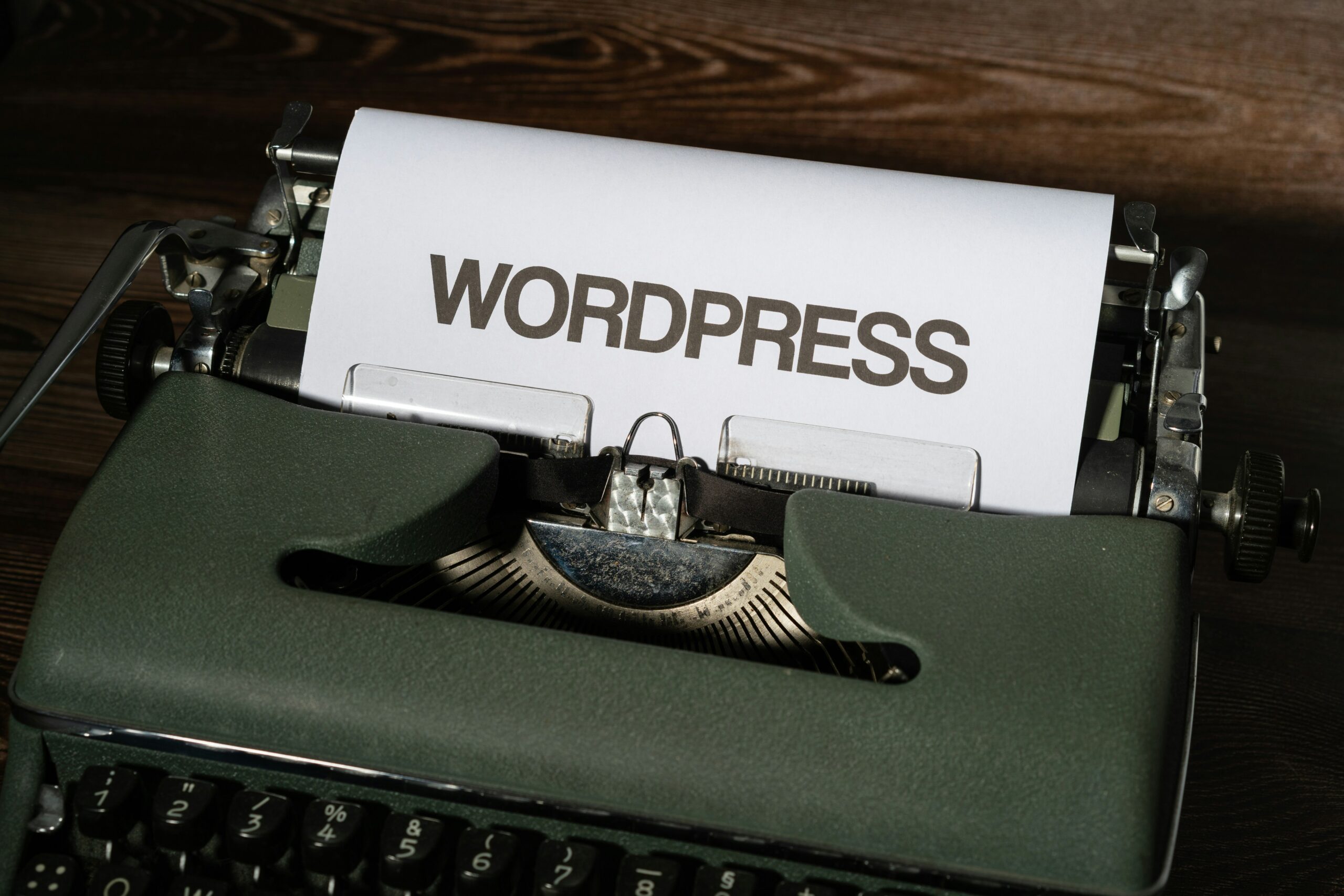
WordPress remains the world’s most widely used Content Management System, powering a significant portion of websites across the internet. Its popularity stems from its flexibility, extensive ecosystem of themes and plugins, user-friendly interface, and ability to support everything from small business websites and blogs to large corporate websites and custom digital platforms. When combined with professional development and ongoing Website Maintenance & Support, WordPress can scale alongside growing businesses while remaining easy to manage.
Drupal is often selected by organizations that require advanced security, extensive customization, and the ability to manage large volumes of complex content. Government agencies, universities, healthcare organizations, and large enterprises frequently choose Drupal for projects that demand high levels of flexibility and robust content management capabilities.
Joomla offers a balance between ease of use and advanced functionality. It provides more built-in features than many traditional CMS platforms while remaining suitable for businesses that require greater control over website structure and user management. Although its market share is smaller than WordPress, Joomla continues to serve organizations with specialized website requirements.
For businesses focused primarily on online retail, Shopify combines content management with powerful eCommerce functionality. It simplifies product management, payment processing, inventory control, and order fulfillment, making it an excellent choice for businesses that want to launch and manage an online store without building a complex eCommerce platform from scratch.
Modern platforms such as Webflow and Contentful address different business needs. Webflow combines visual website design with CMS functionality, making it attractive for design-focused websites, while Contentful is a Headless CMS that enables businesses to deliver content across websites, mobile applications, digital displays, and other digital channels through APIs.
The best CMS is not necessarily the one with the most features—it’s the one that aligns with your business goals, operational processes, technical requirements, and long-term growth strategy. Factors such as scalability, ease of content management, customization options, SEO capabilities, integrations, security, and ongoing maintenance should all influence your decision. Selecting the right platform from the outset helps create a website that not only meets today’s requirements but also supports future growth as your business evolves.
“The goal is to turn data into information, and information into insight.”
Fmr CEO of Hewlett-Packard
Among the many Content Management Systems available today, WordPress has earned its reputation as the world’s most widely used CMS. It powers a significant percentage of websites across the internet, from small business websites and professional service firms to large corporate platforms, educational institutions, online publications, and eCommerce stores. Its widespread adoption is not simply due to popularity—it is the result of a platform that combines flexibility, ease of use, scalability, and long-term value for businesses.
One of WordPress’s greatest advantages is that it grows alongside a business. A company may begin with a simple informational website, but as its operations expand, the same WordPress installation can support additional functionality such as customer portals, appointment booking systems, online stores, multilingual websites, membership platforms, learning management systems, client dashboards, and custom business applications. This scalability allows organizations to invest in a platform that can evolve with changing business requirements instead of rebuilding their website every few years.
Unlike many website builders that operate within fixed ecosystems, WordPress gives businesses greater ownership and control over their digital assets. Organizations can choose their preferred hosting provider, customize every aspect of the website’s design, install thousands of plugins, integrate third-party business tools, and develop completely custom functionality when required. This level of flexibility makes WordPress suitable for businesses that want their website to support future growth rather than limit it.
Another reason WordPress continues to dominate the market is its strong ecosystem. Thousands of developers, designers, agencies, and technology companies actively contribute to the platform, producing themes, plugins, security improvements, and new features on an ongoing basis. Businesses benefit from continuous innovation without being tied to a single software vendor, ensuring that their websites remain modern, secure, and capable of adapting to new technologies.
WordPress also provides an excellent foundation for digital marketing and online visibility. Its clean content structure, customizable URLs, responsive themes, and compatibility with leading SEO tools make it easier for businesses to implement effective SEO Optimization & Ranking strategies. When combined with high-quality content, technical optimization, and ongoing website improvements, WordPress supports stronger search engine performance and a better overall user experience.
Beyond marketing, WordPress integrates seamlessly with the software businesses already use every day. Customer Relationship Management (CRM) systems, email marketing platforms, payment gateways, analytics tools, customer support software, social media platforms, booking systems, and business automation tools can all be connected to create a more efficient digital ecosystem. These integrations transform a website from a simple online presence into an active business platform that supports customer engagement, lead generation, and operational efficiency.
Of course, WordPress is not the right solution for every project. Some organizations building highly specialized applications or large-scale omnichannel digital experiences may benefit from a Headless CMS or fully custom development framework. However, for the majority of businesses seeking a professional, scalable, and future-ready website, WordPress provides one of the best combinations of usability, customization, performance, and long-term return on investment.
Selecting the right Content Management System is about more than choosing the most popular platform or the one with the longest list of features. Every business has unique goals, operational requirements, and growth plans, so the best CMS is one that supports both your current needs and your long-term digital strategy. Making the right decision early can save significant time, money, and development effort in the future.
One of the first factors to consider is the purpose of your website. A business brochure website, an online store, a customer self-service portal, and a corporate knowledge base all have different content management requirements. Understanding what your website needs to accomplish will help narrow down the platforms that are most suitable for your organization.
Scalability should also play a major role in your decision. While a simple CMS may meet your current requirements, your business may eventually need additional features such as multilingual support, advanced user permissions, CRM integrations, booking systems, custom workflows, or eCommerce functionality. Choosing a platform that can accommodate future growth reduces the need for costly migrations later.
Ease of use is equally important. A Content Management System should empower your team to update pages, publish blog articles, upload media, and manage website content without relying on developers for routine tasks. A user-friendly interface encourages regular content updates, helping businesses keep their websites accurate, relevant, and engaging for customers.
Businesses should also evaluate how well a CMS supports search engine visibility, website performance, and security. Features such as customizable URLs, metadata management, responsive design, structured content, regular software updates, and plugin compatibility contribute to better website performance and improved online visibility. When supported by professional SEO Optimization & Ranking services, the right CMS becomes a powerful tool for attracting and converting potential customers.
Finally, consider the expertise available to support your chosen platform. Even the best CMS delivers its full value only when it is properly designed, configured, maintained, and optimized. Working with experienced professionals ensures your website is built to industry best practices while remaining secure, scalable, and aligned with your business objectives.
Whether you’re launching your first business website or replacing an outdated platform, selecting the right CMS is an investment in your organization’s digital future. Taking the time to evaluate your requirements today will help ensure your website continues to support your business as technology, customer expectations, and market demands evolve.
A Content Management System is more than a tool for publishing website content—it’s the foundation of how businesses manage their digital presence, communicate with customers, and adapt to changing market demands. The right CMS enables organizations to keep their websites current, improve operational efficiency, support digital marketing initiatives, and deliver a consistent experience across every customer touchpoint.
However, selecting the right platform is only the first step. The long-term success of a CMS depends on how well it is planned, designed, customized, and maintained. A poorly configured CMS can lead to performance issues, security vulnerabilities, limited scalability, and a frustrating user experience. Conversely, a professionally implemented CMS provides a reliable foundation that supports business growth while remaining flexible enough to accommodate future requirements.
At Rage Technology, we understand that every business has unique operational goals and digital challenges. Rather than recommending a one-size-fits-all solution, we work closely with our clients to identify the most suitable platform, design a website that reflects their brand, and implement functionality that supports their day-to-day operations. Whether your organization requires a professional corporate website, a content-rich marketing platform, or a customized business solution, our Website Design & Customization services are tailored to deliver practical, scalable, and results-driven outcomes.
Beyond development, we help businesses maximize the value of their websites through SEO Optimization & Ranking, App & System Customization, Managed IT Services, and ongoing Website Maintenance & Support. By combining these services with a well-implemented Content Management System, businesses gain a website that is easier to manage, better optimized for search engines, more secure, and capable of evolving alongside their growth.
A well-planned CMS is an investment that continues to deliver value long after your website goes live. With the right strategy, technology, and ongoing support, your website becomes more than a digital presence—it becomes a business asset that helps attract customers, strengthen your brand, and support sustainable long-term growth.
Managing a business website shouldn’t be complicated or dependent on technical expertise for every update. A well-implemented Content Management System empowers organizations to take greater control of their digital content, streamline website management, and respond more quickly to changing business and customer needs. From publishing new pages and blog articles to integrating business applications and supporting long-term growth, the right CMS becomes an essential part of a successful digital strategy.
Every business has different objectives, which means there is no single CMS that is right for every organization. Factors such as business size, website functionality, scalability requirements, budget, and future expansion plans should all influence your decision. By understanding how Content Management Systems work and evaluating the strengths of different platforms, businesses can invest in a solution that delivers lasting value while supporting both current operations and future growth.
Whether you’re launching a new website, modernizing an existing one, or looking for a more efficient way to manage your online content, selecting the right Content Management System is an investment in your business’s future. A carefully planned CMS not only simplifies content management but also creates opportunities to improve customer experience, strengthen your online presence, and adapt to changing market demands with confidence.
At Rage Technology, we help businesses implement CMS solutions that are designed around their unique goals—not limited by one-size-fits-all approaches. Through our Website Design & Customization, App & System Customization, SEO Optimization & Ranking, Managed IT Services, and Website Maintenance & Support services, we build websites that are scalable, easy to manage, and prepared for long-term success. If you’re looking for a CMS-powered website that supports your business today and continues to grow with you tomorrow, our team is ready to help you create a solution that delivers measurable value.
Application and system customization helps businesses connect their tools, cut repetitive work, and make...
A customer researching your business today might use Google, ask an AI assistant, or...
Managed IT Services give businesses a proactive way to manage, support, and maintain the...
WordPress powers more than 40% of websites worldwide and remains a popular choice for...
Reliable advanced engineering solutions for secure and scalable digital infrastructure.
© 2026 Rage Technology. All Rights Reserved.